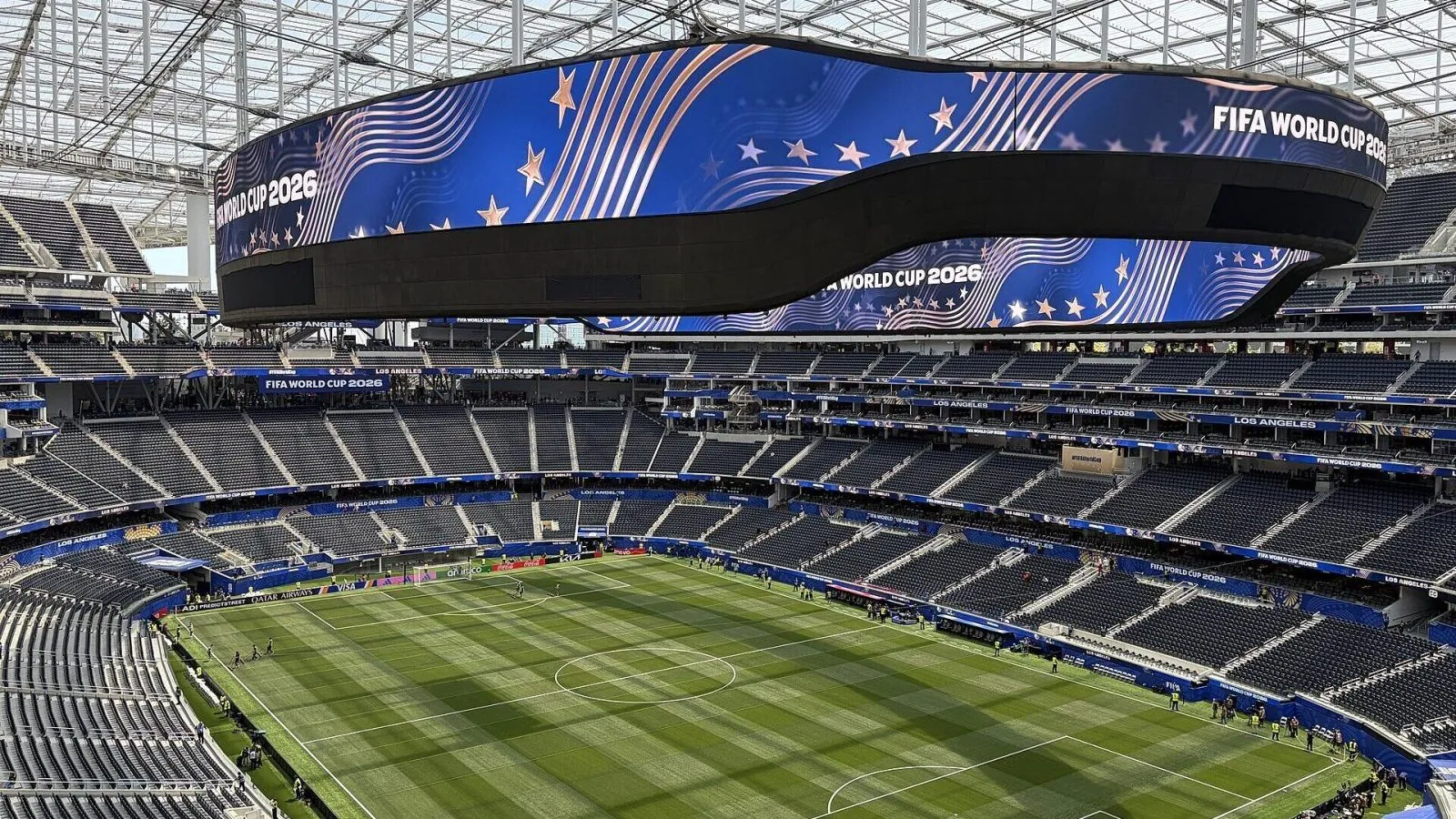
The United States opened its 2026 World Cup with a 4-1 Group D win over Paraguay at Los Angeles Stadium on June 12. The result turned a preview built around the risk of a tense, low-scoring opener into a match decided by the hosts’ three-goal first half. FIFA’s official schedule and results records the score and fixture; U.S. Soccer’s match report gives the scoring sequence and team context.
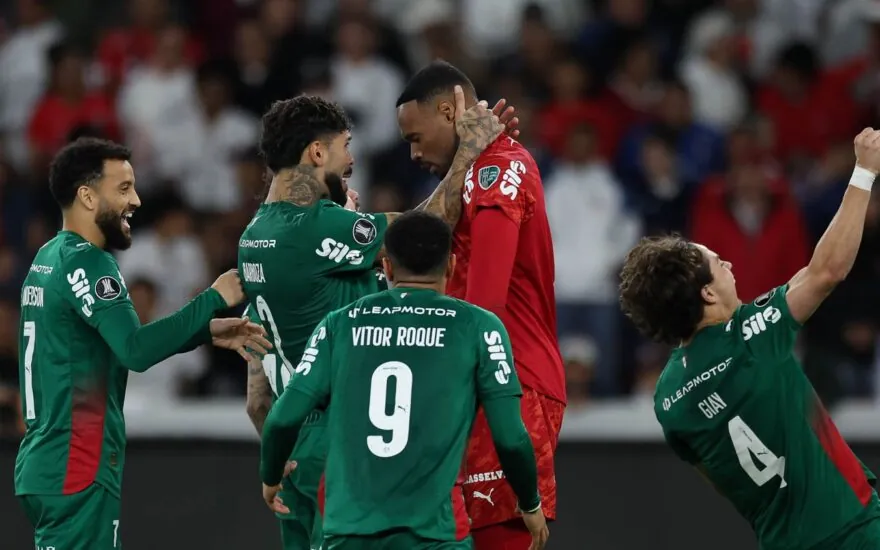
The sequence matters more than the pre-match labels. U.S. Soccer records an own goal by Paraguay’s Damián Bobadilla in the seventh minute, followed by Folarin Balogun goals in the 31st and 45+5. That made the score 3-0 at half-time. Paraguay’s Mauricio scored in the 73rd minute, before Giovanni Reyna restored the three-goal margin at 90+8. The report credits Christian Pulisic with assists on the first two U.S. goals and Malik Tillman with the assist on Balogun’s second.
What the final score says, and what it does not
The official records support a clear contrast with the preview’s central uncertainty: Paraguay did not keep the match level into the late stages, and the United States did not need a single early breakthrough to force an open game. The hosts led 3-0 at the interval. Paraguay’s goal reduced the deficit, but Reyna’s late finish closed the scoring at 4-1. U.S. Soccer describes the result as the national team’s highest-scoring World Cup match and says the three-goal half-time lead was its first in a World Cup match.
Those records do not establish that crowd pressure, midfield control or a specific tactical shape caused the result. The preview’s language about a possible transition contest and the pressure of a level score after 70 minutes was a scenario, not a sourced fact. The verified timeline shows that the match had already moved decisively away from that scenario before the break. That is the useful post-match comparison: the question was not whether Paraguay could preserve a close contest late, but how the United States built a three-goal cushion before half-time and then answered the 73rd-minute reply.
Group D context
FIFA’s match schedule places the game in Los Angeles on June 12, and U.S. Soccer records attendance of 70,492. The result gave the United States three points in its Group D opener. It was an emphatic start, but one match alone does not prove the hosts would control later games or predict how far either team would advance. Paraguay’s later group matches and the tournament standings must be judged separately from this opener.
The preview’s broad themes of patience and defensive organization remain useful as pre-match questions, not as explanations of what happened. In this fixture, the scoreline and goal sequence provide the firmer account: an own goal opened the scoring, Balogun scored twice before the interval, Mauricio gave Paraguay a second-half response, and Reyna finished the 4-1 result in stoppage time.