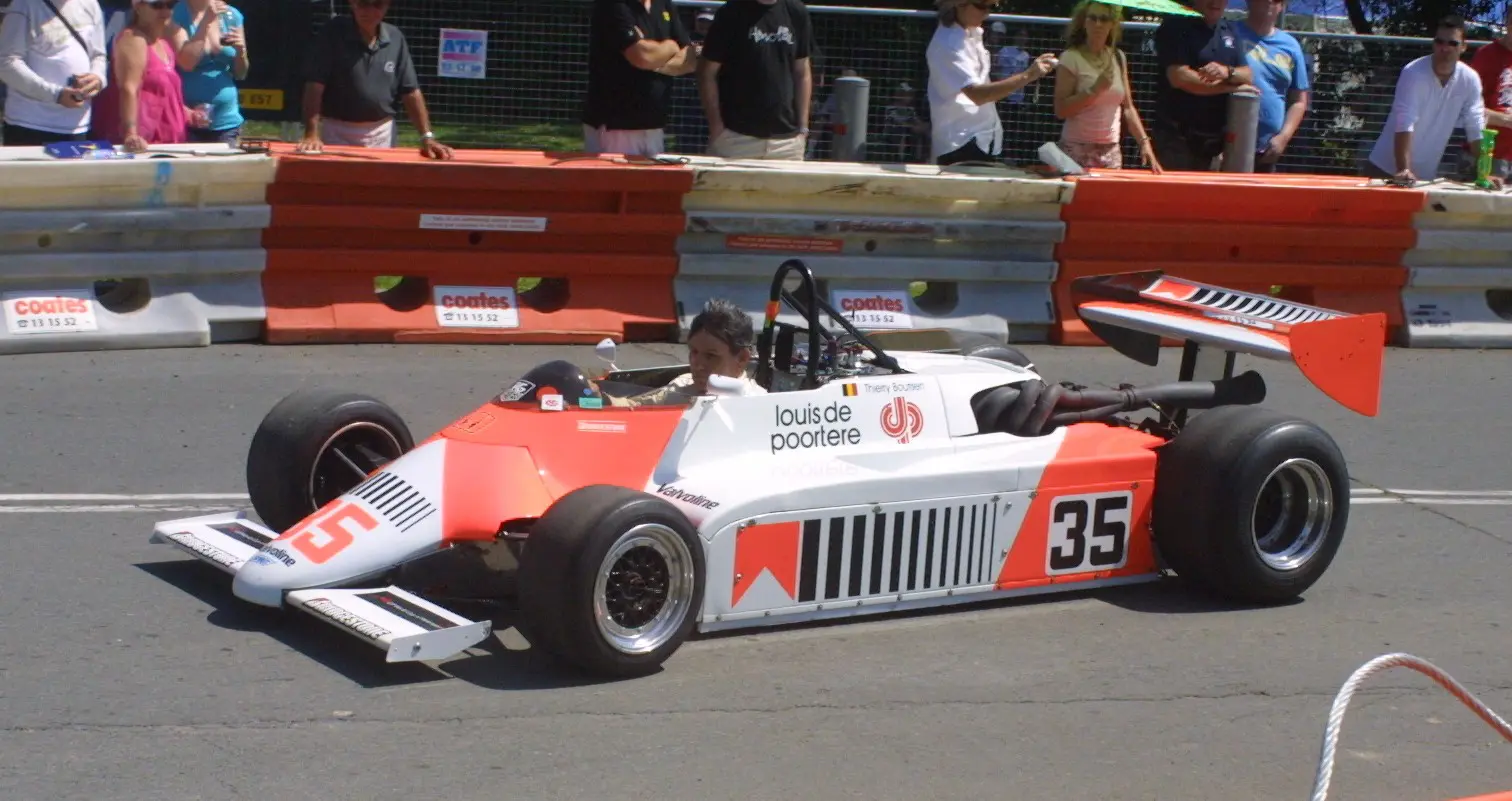
FIA Formula 2 has unveiled its new car for the 2027, 2028 and 2029 seasons, introducing revised aerodynamics and an onboard starter while keeping the current Dallara chassis. The official FIA Formula 2 announcement confirms that the car was presented in the Formula 1 paddock at Monza.
The launch gives the feeder championship a defined technical platform for the first three seasons after 2026. Formula 1’s report on the Monza unveiling describes the car as part of F2’s continuing role as a proving ground for drivers hoping to reach the top level.
A familiar chassis with a different aerodynamic brief
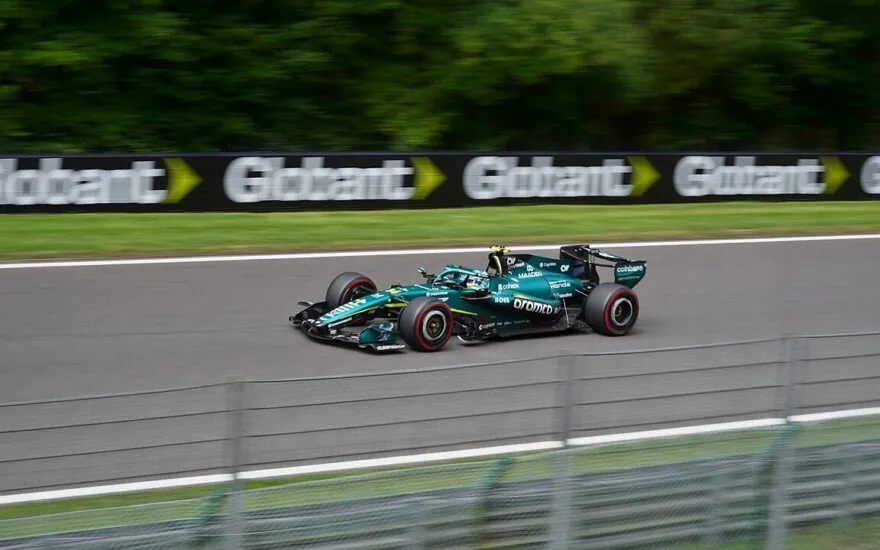
F2 will retain the 2026 Dallara chassis rather than introduce a completely new platform. That choice is intended to manage costs and preserve a known working environment for teams, while the visible changes focus on the front and rear wings. FIA Formula 2 says the revised aerodynamic characteristics should make it easier for drivers to follow one another closely, a central aim for a championship that is meant to test racecraft as well as speed.
The styling also moves closer to the current Formula 1 design direction. That is a visual and aerodynamic alignment, not a claim that the two cars have identical performance or technology. The important change for the championship is that the bodywork has been developed around closer racing without abandoning the existing chassis foundation.
The starter adds a practical change
The new car will include an onboard starter. The official announcement says the system should let a driver restart the car after a spin or stall without relying on the same level of outside intervention. That changes an operational detail with a direct sporting consequence: a mistake does not automatically end a driver’s running if the car remains safe and mechanically able to continue.
It is a small component compared with the wings, engine and safety cell, but it reflects the training purpose of Formula 2. The series has to prepare drivers for the demands of Formula 1 while keeping the racing close enough to reveal who can manage traffic, tyres and pressure. Bettista’s recent report on Nikola Tsolov’s first Racing Bulls test showed how much development happens after a driver leaves the junior categories. The revised F2 car is designed to make that earlier stage more useful.
Power and driver access stay familiar
The 2027 car keeps the 3.4-litre, single-turbo Mecachrome V6. FIA Formula 2 lists the engine at 620 horsepower at 8,750rpm and 570Nm at 6,000rpm, with a rebuild interval of 8,000 kilometres. Advanced sustainable fuel supplied by Aramco will continue, while Pirelli remains the tyre partner.
F2 is also retaining its 2024 specifications for braking performance, steering effort and cockpit ergonomics. The decision is intended to keep the car accessible to a broad range of drivers rather than let the new bodywork create a different physical threshold. That matters to a championship whose grid includes drivers with different levels of experience, budgets and preparation.
Development began before the Monza reveal
The new car has already completed the first phase of its development programme. FIA Formula 2 says it ran at Circuit de Barcelona-Catalunya in June and then went through further work with Dallara, including wind-tunnel and aerodynamic testing. The announcement confirms the direction of the package, but it does not provide a race weekend performance comparison because the 2027 car has not yet entered a championship event.
The timing gives teams and drivers a long runway before the first competitive season. Lando Norris’s LN4 Fusion junior racing project is another reminder that the path toward Formula 1 is built across several categories rather than at the final step alone. F2’s new car now sets the equipment standard for the most visible part of that pathway from 2027.
The measured conclusion is straightforward. F2 has chosen evolution over a clean-sheet reset: a proven chassis, updated wings, a restart system and unchanged core driving specifications. The first meaningful test will come when teams put the car into collective running and drivers have to turn its promise of closer racing into a repeatable result.