Barcelona-Catalunya is one of the most useful F1 analysis circuits because it exposes the full car. Slow-corner traction, medium-speed balance, high-speed stability, and tyre degradation all show up across the lap.
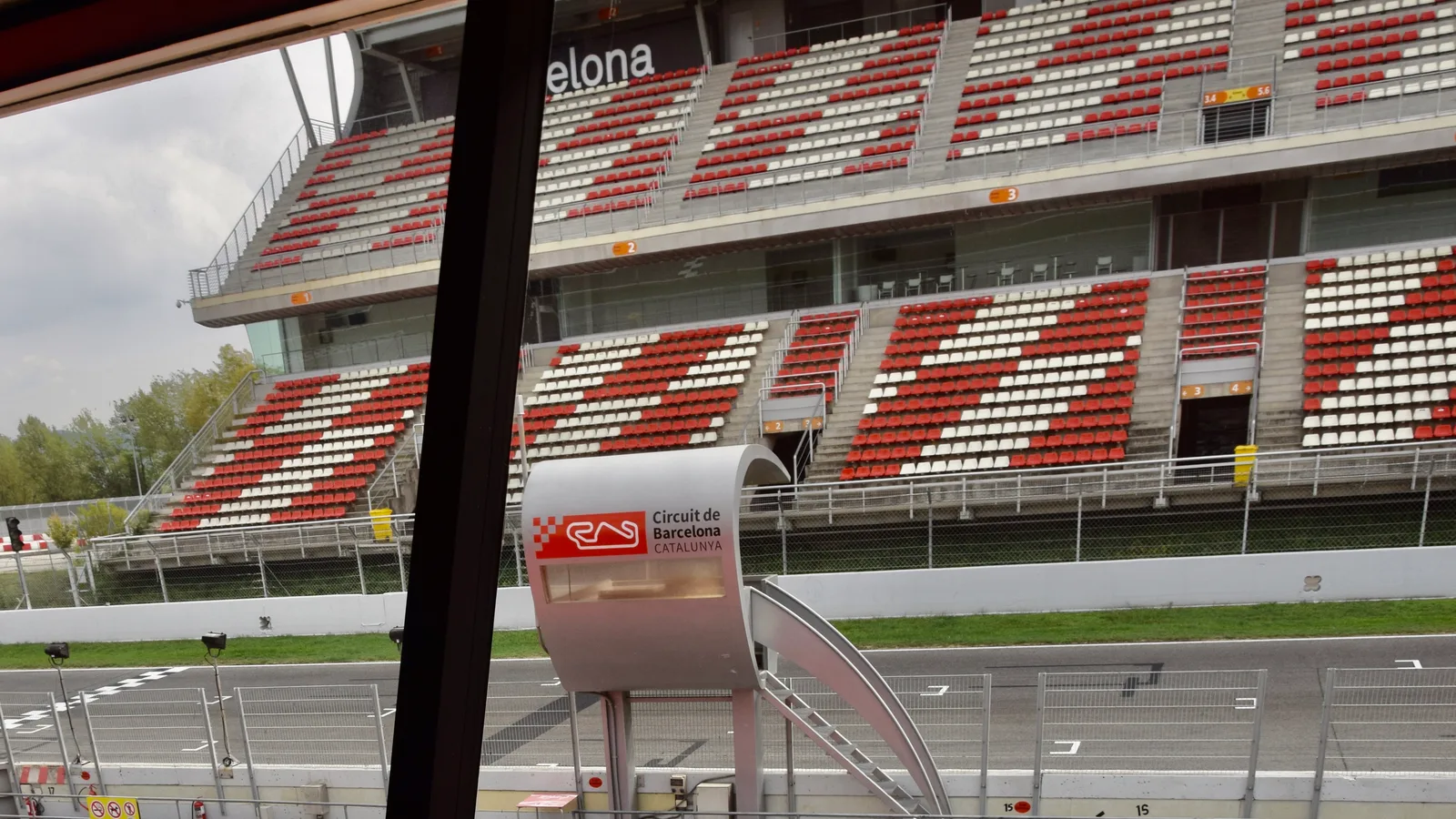
The venue and event details are listed on Formula 1’s official Barcelona-Catalunya race page.
That makes this a poor weekend for narrative-only analysis. The field may react hard to Monaco headlines, but Barcelona should be understood through practice long runs, sector balance, and tyre life.
Barcelona is a race-pace circuit first
Qualifying still matters, but Barcelona has enough corner variety to punish cars that cannot protect tyres across a full stint. A one-lap car can look tempting on Friday and still be a bad Sunday read if the long-run degradation is weak.
The first analysis filter should be the gap between low-fuel pace and heavy-fuel pace. If those two signals disagree, the outright field is more likely to overreact to the cleaner headline number.
Do not overpay for Monaco carryover
Monaco and Barcelona test different things. Monaco rewards track position, low-speed precision, and qualifying execution. Barcelona is more complete and more punishing over distance.
If a driver or team shortens because of Monaco without matching Barcelona long-run pace, the field is probably paying for the wrong circuit. That is where podium fades, teammate matchups, and points fields can become cleaner than the win field.
Practice timing matters
The best Barcelona entries usually come after the first serious race simulations, not before the weekend. A pre-practice number can be attractive if it is stale, but most readers should wait until the degradation picture is less theoretical.
The checklist is simple: note tyre compound, fuel-adjust where possible, compare stint consistency, and then decide whether the available outlook still beat your probability.
That makes this a poor weekend for narrative-only analysis. The field may react hard to Monaco headlines, but Barcelona should be understood through practice long runs,.
The Barcelona checklist
Barcelona should be measured across the whole lap and across a full stint. Compare high-speed stability with slow-corner traction, then check whether tyre degradation changes the order once fuel burns off. The official race page provides the venue and event record, while practice and qualifying show which teams have translated that baseline into a usable setup.
A useful preview also states what would disprove its first read. If a team looks quick on low fuel but loses performance over a longer run, the headline pace should not carry into the Sunday assessment. If the same car remains consistent across compounds and stint lengths, the result deserves more weight.
Barcelona is a benchmark, not a complete season model. The useful conclusion is conditional: a team that solves both the high-speed and tyre-management demands deserves more respect, while a one-sector advantage should be treated cautiously at the next round.
Barcelona is a benchmark, not a complete season model. The useful conclusion is conditional: a team that solves both the high-speed and tyre-management demands deserves more respect, while a one-sector advantage should be treated cautiously at the next round.