Honda will change the leadership of its Formula 1 power-unit development programme on October 1, when Yoichiro Fukao moves from deputy leader to Large Project Leader and succeeds Tetsushi Kakuda. The manufacturer described the change as a planned transition as it works through the demands of the 2026 regulations. Formula1.com reported Honda’s announcement on September 14.
Fukao is currently Assistant LPL, deputy leader of the F1 project and head of its software division. Honda says the handover is intended to transfer technical expertise to the next generation of engineers while building a stronger development framework for the current power unit and the regulatory changes expected from 2027. Kakuda has led the programme through the opening phase of Honda’s new works partnership with Aston Martin.
The handover starts on October 1
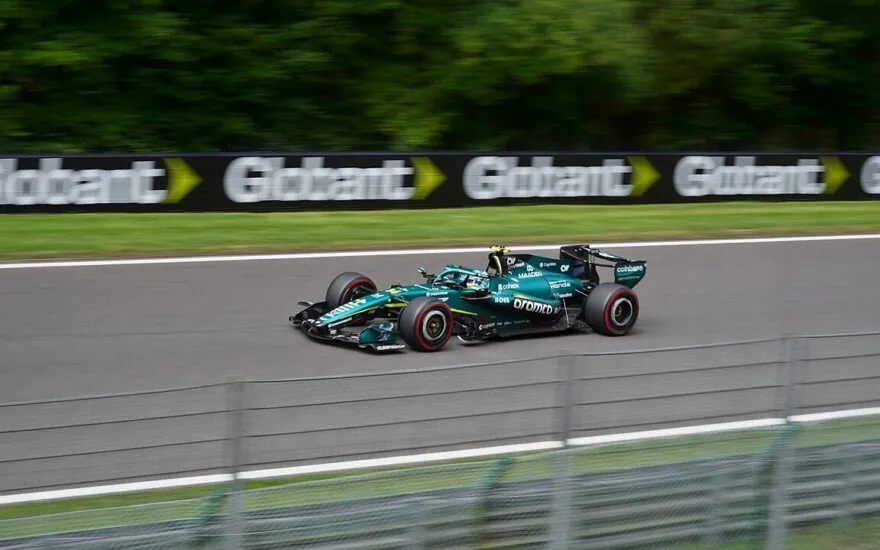
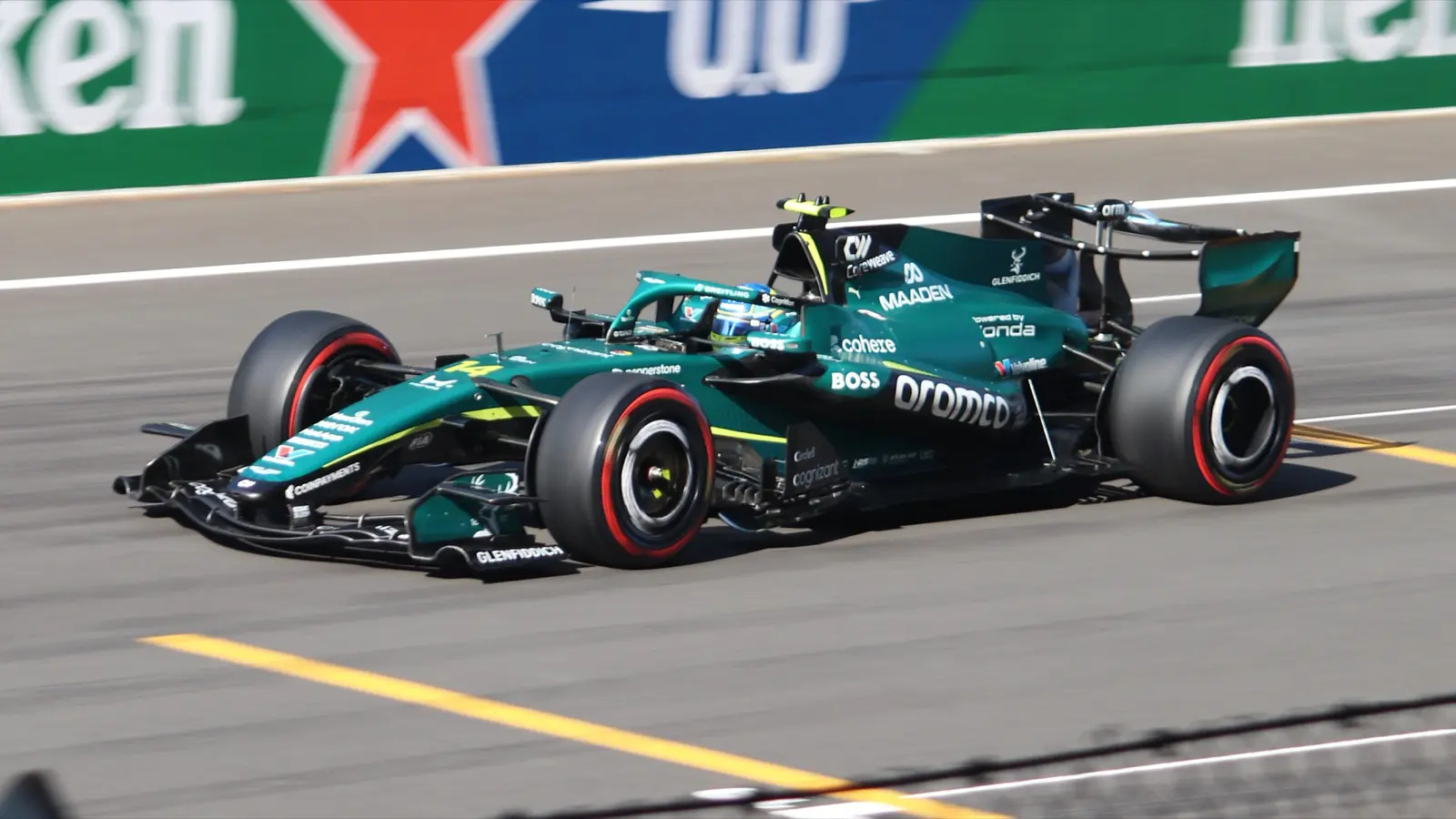
The timing gives Fukao responsibility for the project before the second half of the first season under the new power-unit rules is complete. The 2026 regulations increase the electrical contribution and require advanced sustainable fuel, creating a more demanding balance between combustion performance, energy deployment, software and reliability. Honda entered the season as Aston Martin’s works power-unit partner after the two companies launched their new relationship at the start of the year. Aston Martin’s own partnership announcement set out the long-term project and Honda’s role in developing the RA626H.
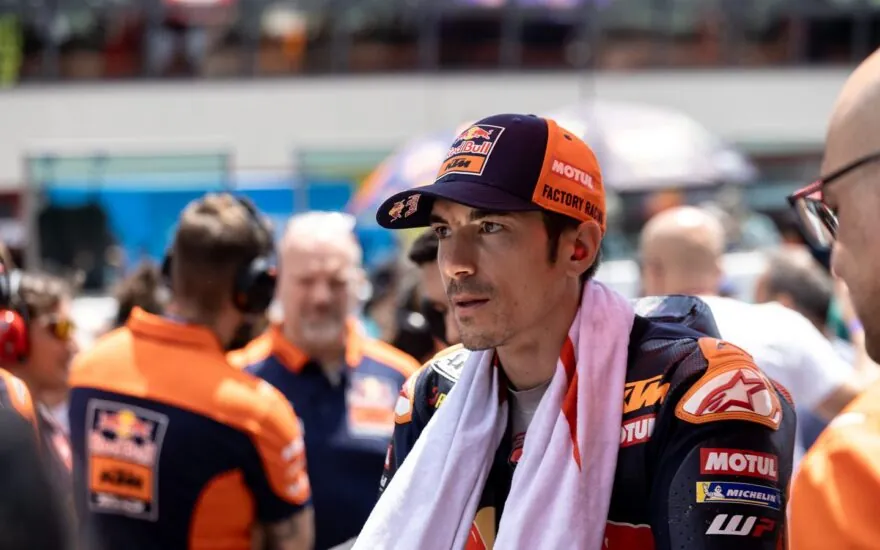
Fukao has spent more than two decades at Honda. His early work covered engine and gearbox control systems before he moved into Honda’s MotoGP activity from 2009 to 2011. He then worked on hybrid systems and returned to the F1 project, where he became deputy leader in 2017 and again in 2022 as Honda prepared to return to the championship.
Aston Martin needs the development reset to produce clear progress
The leadership change arrives after a difficult start for Honda and Aston Martin. The team sits above only Cadillac in the constructors’ standings in the latest official F1 account. Fernando Alonso has scored three points across two races, while Lance Stroll is yet to score. At the Spanish Grand Prix in Madrid, Stroll retired with brake trouble and Alonso finished 17th, two laps behind the winner.
Those results do not prove that a change in project leadership will immediately alter the competitive order. They do explain why the transition matters. A power-unit programme has long lead times, and the next useful measure will be whether the new structure turns the lessons from the opening races into dependable development work. Bettista’s earlier report on Honda’s first Aston Martin track run with its revised unit provides the recent technical background, while our coverage of the FIA discussion around delayed 2026 car fixes explains why regulation and governance remain part of the performance story.
Honda’s stated target is not a short-term reshuffle for its own sake. The company wants a development structure that can carry knowledge between experienced staff and the engineers who will shape the next phase of the project. That makes October 1 the formal starting point of the handover, not a promise of instant results. The 2027 rules work and the remaining 2026 races will show whether the new arrangement can give Aston Martin a more reliable platform from which to recover.