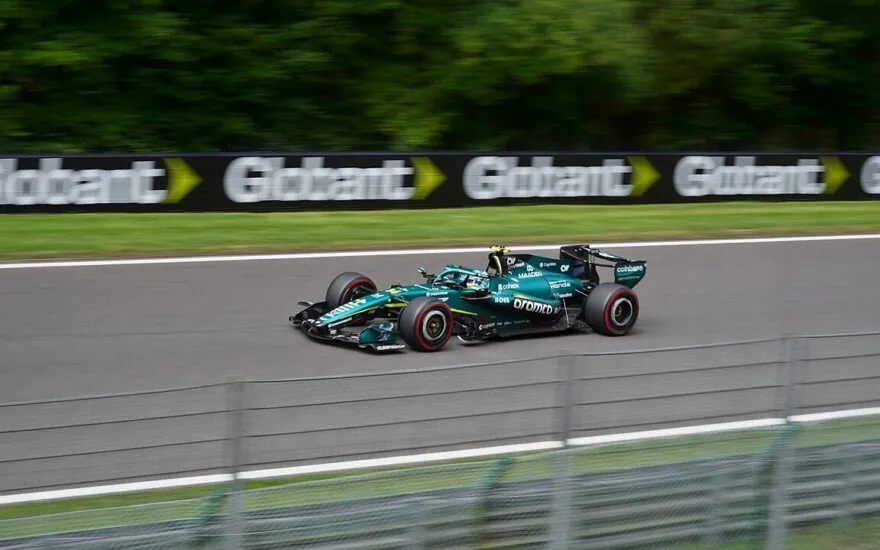
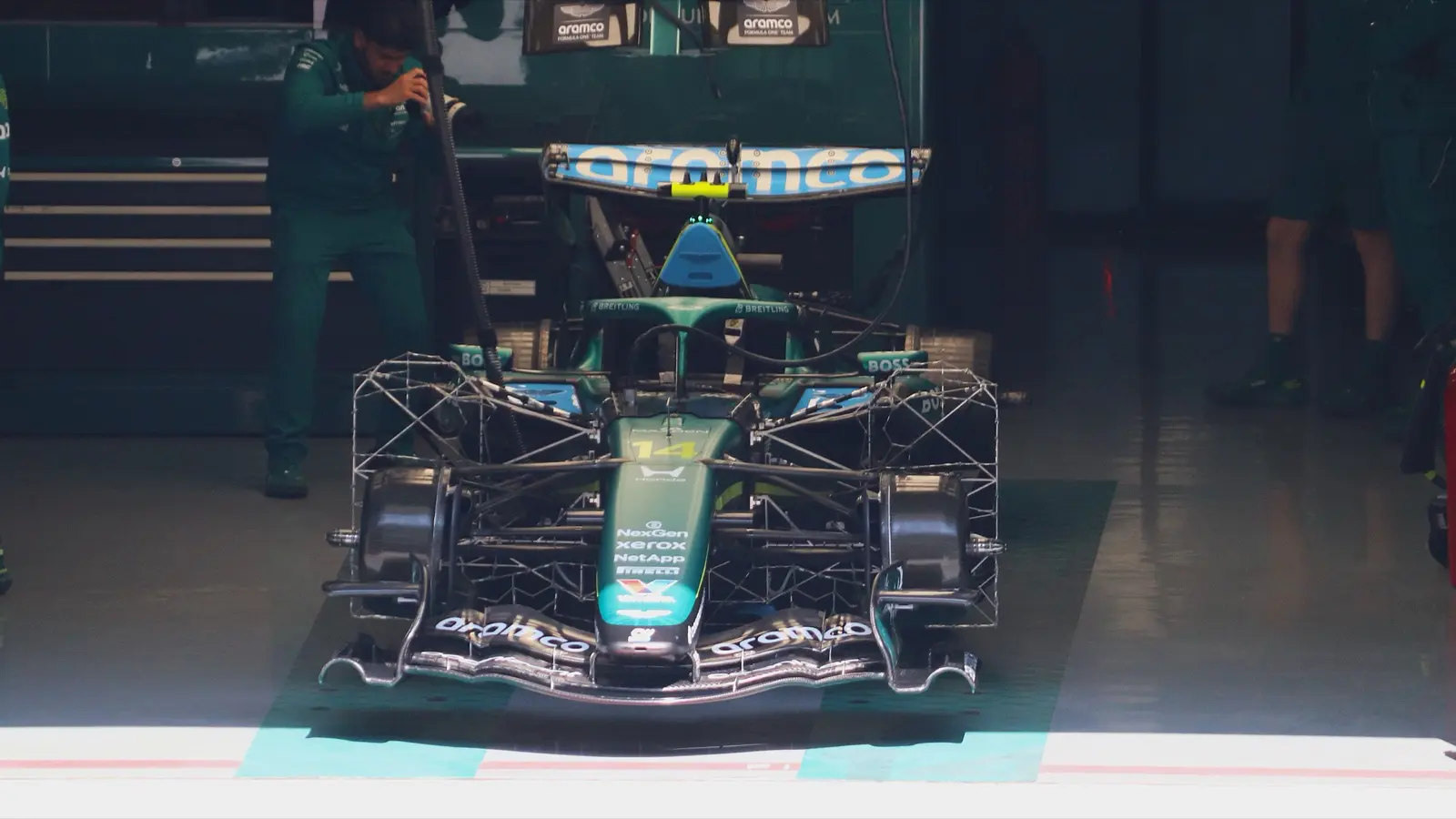
Honda's revised Formula 1 power unit has run in Aston Martin's AMR26 for the first time, using a filming day at the Hungaroring as the final on-track step before its planned Dutch Grand Prix debut. Formula1.com confirmed the run after Honda outlined its timetable during the Hungarian Grand Prix weekend.
The timing makes this more than a routine filming exercise. Aston Martin has just introduced a major chassis update, so the team now has two development programmes converging before Zandvoort: a heavily revised AMR26 package and Honda's new power-unit specification. The Dutch weekend will be the first competitive test of whether those changes can produce a more complete step together.
A systems check, not a performance verdict
Formula 1's official report said the Budapest update contained 16 developments. The revised car helped Fernando Alonso reach Q2, Aston Martin's first appearance in that qualifying segment this season. Honda's official Hungarian Grand Prix report records Lance Stroll finishing 13th and Alonso 14th, a result that showed progress in qualifying without yet delivering a top-10 race finish.
Honda trackside general manager and chief engineer Shintaro Orihara said before the filming day that the manufacturer would introduce the new specification in the Netherlands. He also linked the Hungarian work to power-unit integration and data collection, making clear that the first run in the AMR26 was part of a planned sequence rather than an improvised response to the weekend.
A filming day cannot settle the performance question. Formula 1's report confirmed that the revised unit reached the track, but it did not publish mileage, lap-time comparisons or technical gains. That distinction matters: the useful news is that Aston Martin and Honda completed the first public on-track stage of the installation plan while keeping the intended race debut in place. Any claim about the size of the improvement has to wait for a competitive session.
The run also came after Aston Martin, Alpine and Audi remained at the Hungaroring for Pirelli testing. Separating the filming-day installation from the race weekend gave Aston Martin and Honda a controlled opportunity to check the revised package before Formula 1's summer shutdown. It should reduce the number of basic integration unknowns carried into Zandvoort, even if it cannot reproduce the demands of qualifying or a Grand Prix.
Zandvoort will test whether the upgrades connect
Aston Martin's immediate challenge is now clarity rather than volume. Budapest offered the first sign that the chassis changes could move the car further into qualifying, but the finishing positions kept the result in perspective. As Bettista's Hungarian Grand Prix report showed, the weekend's leading competitive story developed far ahead of Aston Martin's fight for the lower positions.
The Dutch Grand Prix should provide a cleaner comparison. If the revised Honda unit appears as planned, Aston Martin can judge the complete package through normal practice, qualifying and race conditions. Reliability will be as important as outright pace because a new specification only helps if the team can use it consistently across the weekend.
For now, the Hungaroring run is a completed checkpoint, not a turnaround. The significant part is that Honda's next specification and Aston Martin's major chassis revision are no longer separate future promises. They are due to meet in competition at Zandvoort, where the team's first Q2 appearance of 2026 will either look like the start of a trend or remain an isolated step.