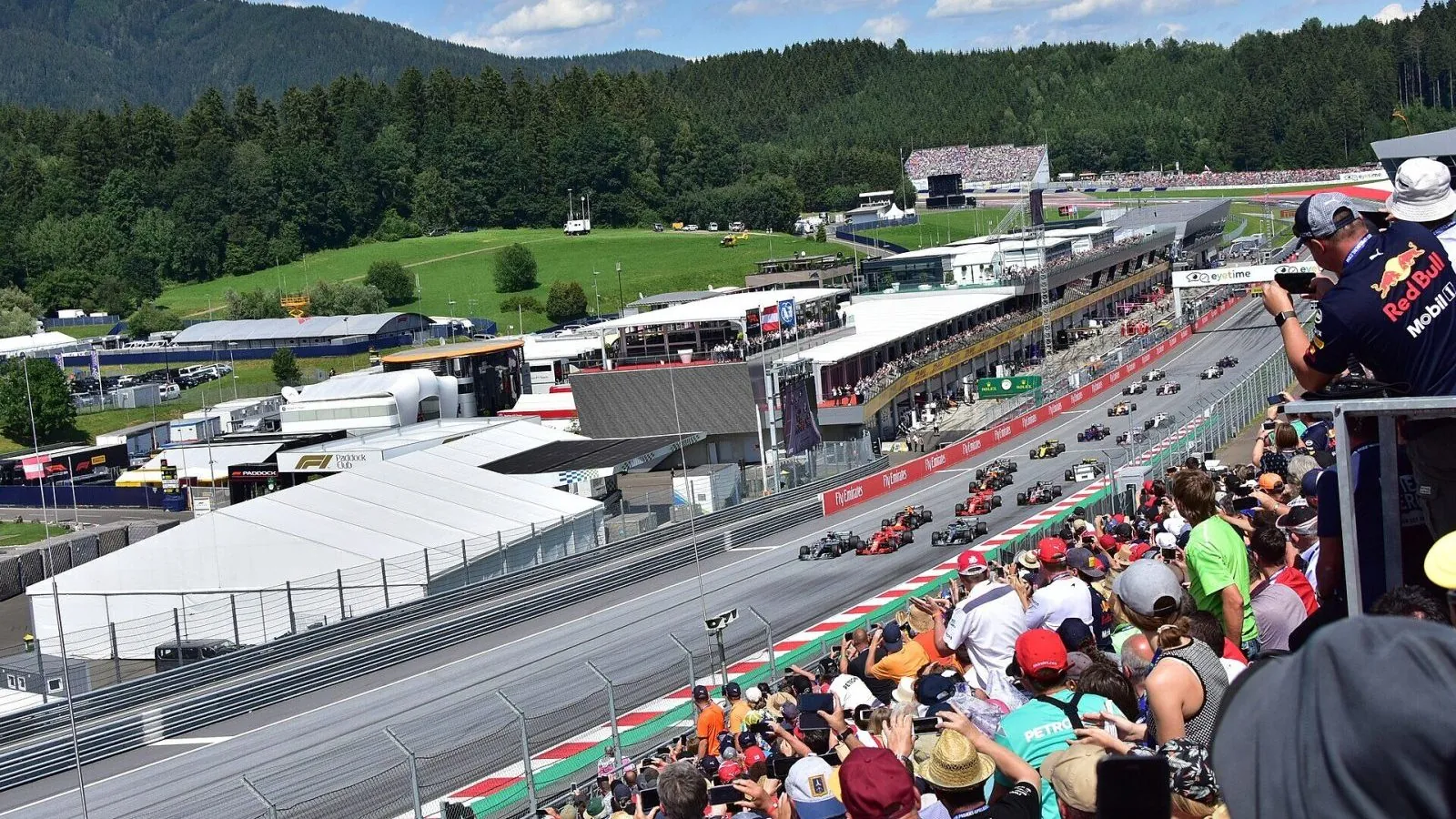
The Austrian Grand Prix is a different analysis problem from most European rounds. The Red Bull Ring is short, quick, and easy to over-simplify. A tiny qualifying gap can move a driver several grid positions, while track limits and traffic can distort practice reads.
The completed result is listed in Formula 1’s official 2026 race results.
That makes Austria a field where read discipline matters. The best number is usually not the loudest Friday story. It is the driver or team whose pace, grid expectation, and race execution are all understood a little too cheaply.
Short laps make qualifying fields fragile
At Spielberg, the lap is short enough that margins bunch up quickly. A tenth can matter more here than at longer circuits because it can cover multiple teams in the order.
That compression creates two analysis risks. Favorites can become too short because they look safe on raw pace, and midfield drivers can become interesting if their qualifying matchup read does not reflect how tight the session is likely to be.
Track limits and traffic create noisy signals
Austria has a habit of making clean-lap analysis messier than the timing sheet suggests. Deleted laps, traffic, and small errors can all change the apparent order without changing the underlying race pace.
For analysis, that means do not anchor too hard to one standout lap. Look for repeatable sector strength and stint consistency, then check whether the field is reacting to a lap that may not repeat under pressure.
Podium and points can be better than outright reads
Because the Red Bull Ring compresses performance, an outright winner read can be efficient while podium or points fields still lag. The driver who projects third to sixth may be a better analysis target than the driver everyone expects to win.
Use the outright field as a reference, not a requirement. If the top of the board is understood cleanly, move to matchup, points, and top-three predictions where the same pace read may be less fully understood.
That makes Austria a field where read discipline matters. The best number is usually not the loudest Friday story. It is the driver or team whose pace, grid.